Can Online Physical Therapy Actually Help Athletes Recover?
For years, many athletes believed that successful rehabilitation could only happen inside a clinic.
If you weren’t seeing your physical therapist in person, it was assumed that your recovery would suffer. There would be less accountability, less guidance, and ultimately worse outcomes.
Today, that perception is changing.
Technology has transformed nearly every aspect of sports performance. Athletes can now train with coaches from across the country, receive individualized strength programs through apps, and analyze performance through video and data. Rehabilitation has evolved as well.
Online physical therapy is becoming increasingly common among athletes, especially those looking for specialized sports rehabilitation that may not be available in their local area.
But an important question remains.
Can online physical therapy actually help athletes recover?
The short answer is yes.
However, like any rehabilitation approach, the quality of the program matters.
What Is Online Physical Therapy?
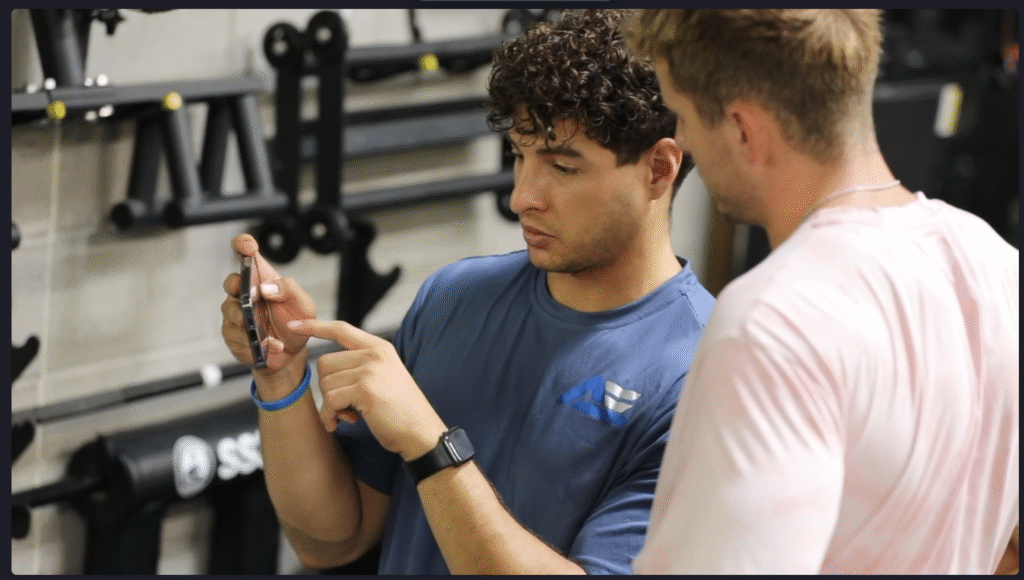
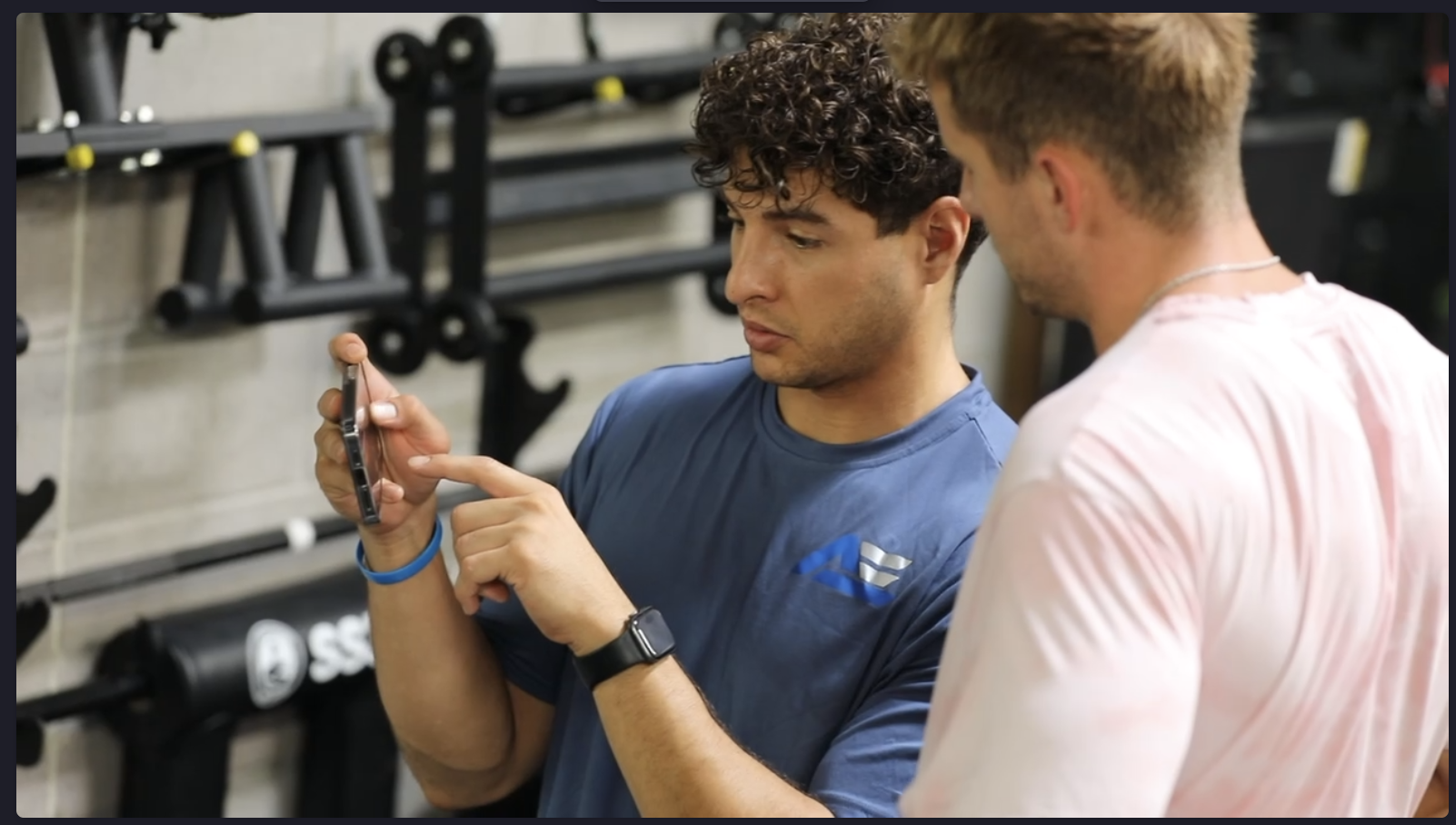
Online physical therapy, often called telehealth or virtual physical therapy, allows athletes to work with a clinician remotely through video consultations, exercise platforms, messaging, and progress tracking.
Rather than attending appointments in person, athletes receive guidance, education, and individualized programs from wherever they train.
A quality online rehab program often includes:
- Comprehensive movement assessments
- Individualized exercise programming
- Ongoing communication and support
- Video analysis and feedback
- Progressive strength and performance training
- Return to sport planning
The goal is not simply to provide exercises.
The goal is to guide athletes through every stage of recovery and prepare them for the demands of competition.
The Biggest Misconception About Online Rehab
One of the biggest misconceptions surrounding online physical therapy is that it cannot be personalized.
Many athletes assume that online rehab means receiving a generic exercise program and being left to figure things out on their own.
Effective online rehab should be the exact opposite.
Every athlete has different goals, injuries, and movement limitations.
A basketball player recovering from jumper’s knee has different needs than a soccer athlete recovering from ACL surgery. A high school athlete returning to sport requires different progressions than a professional athlete preparing for a competitive season.
The best online rehab programs are highly individualized and built around the athlete, not the injury alone.
What Does the Research Say?
Research examining telerehabilitation for musculoskeletal conditions has shown that appropriately designed virtual rehabilitation programs can produce outcomes comparable to traditional in person care for many patients.
Researchers have reported improvements in pain, function, and patient satisfaction when telehealth services are properly implemented.
This does not mean that online rehab is always superior to in person treatment.
Instead, it suggests that high quality rehabilitation can be delivered remotely when the program is designed appropriately.
For many athletes, access to expert guidance may be more important than the physical location of the therapist.
Why Online Physical Therapy Works for Athletes
Athletes often have unique challenges that make traditional rehabilitation difficult.
Busy schedules.
School commitments.
Travel.
Team practices.
Limited access to sports specialists.
Online physical therapy can help solve many of these problems.
Athletes can complete their rehabilitation in their own training environment while still receiving expert guidance and accountability.
This consistency often improves adherence and allows athletes to stay engaged in the recovery process.
Athletes Need More Than Generic Exercises
One of the biggest reasons athletes struggle after injury is because rehabilitation sometimes stops at pain relief.
The exercises may reduce symptoms, but they may not adequately prepare athletes for the demands of sport.
Research examining ACL rehabilitation and return to sport emphasizes that successful recovery extends beyond symptom reduction and includes factors such as strength, movement quality, psychological readiness, and sport specific preparation.
Athletes need to rebuild much more than just mobility.
They need to rebuild performance.
Recovery Is About More Than Pain
Many athletes judge their recovery based on one question.
Does it hurt?
Pain is important, but it is only one part of the equation.
An athlete may feel pain free and still demonstrate deficits in strength, power, movement quality, or confidence.
Research examining return to sport testing following ACL reconstruction has shown that many athletes continue to demonstrate deficits long after symptoms improve.
These lingering deficits can affect both performance and readiness for competition.
This is why successful rehabilitation must address more than symptoms.
It must prepare athletes for sport.
Building Confidence Matters
Injuries affect more than the body.
They also affect confidence.
Research published has shown that psychological readiness significantly influences return to sport outcomes.
Many athletes regain physical abilities before they regain trust in their body.
This is where coaching and progression become so important.
Online physical therapy allows athletes to progress gradually, build confidence, and receive feedback throughout the process.
Every successful progression helps athletes trust themselves again.
Technology Has Changed Sports Rehabilitation
Modern rehabilitation is increasingly driven by data.
Today, clinicians can use technology to better understand how athletes move and perform.
At athELITE, we use sports performance testing technology to evaluate:
- Force production
- Movement quality
- Jump performance
- Asymmetries
- Overall readiness for competition
These objective measurements help athletes understand where they are in the recovery process and what still needs improvement before returning to sport.
Who Benefits Most From Online Physical Therapy?
Online physical therapy can be an excellent option for athletes who:
- Do not have access to specialized sports rehabilitation locally
- Need flexibility with scheduling
- Travel frequently
- Want individualized coaching
- Need guidance during later stages of rehabilitation
- Want help transitioning back to sport
It is especially valuable for athletes looking for a performance based approach rather than simply symptom management.
Online Rehab Does Not Replace Hard Work
There is one thing that online physical therapy cannot do.
It cannot do the work for you.
Successful recovery still requires consistency, effort, and commitment from the athlete.
The exercises must be completed.
The progressions must be followed.
The athlete must be willing to trust the process.
The same principles that make in person rehabilitation successful also apply online.
The Goal Is Not Just Recovery
At athELITE, we believe recovery should be about more than simply getting out of pain.
Athletes should return feeling strong.
Confident.
Explosive.
Prepared.
Online physical therapy gives athletes access to expert guidance and structured progressions that can help bridge the gap between recovery and performance.
Because returning to sport is about much more than simply being cleared.
It is about being ready.
Final Thoughts
Can online physical therapy actually help athletes recover?
Absolutely.
Research and clinical experience continue to show that high quality online rehabilitation can be highly effective when it is individualized, progressive, and athlete focused.
The key is finding a program that goes beyond generic exercises and prepares athletes for the actual demands of their sport.
At athELITE, we combine individualized coaching, performance based rehabilitation, and advanced return to sport technology to help athletes recover with confidence no matter where they train.
Because athletes deserve more than a generic program.
They deserve a plan that helps them return to sport stronger, more confident, and ready for the demands of competition.