Why Great Rehab Doesn’t Require Hands-On Treatment
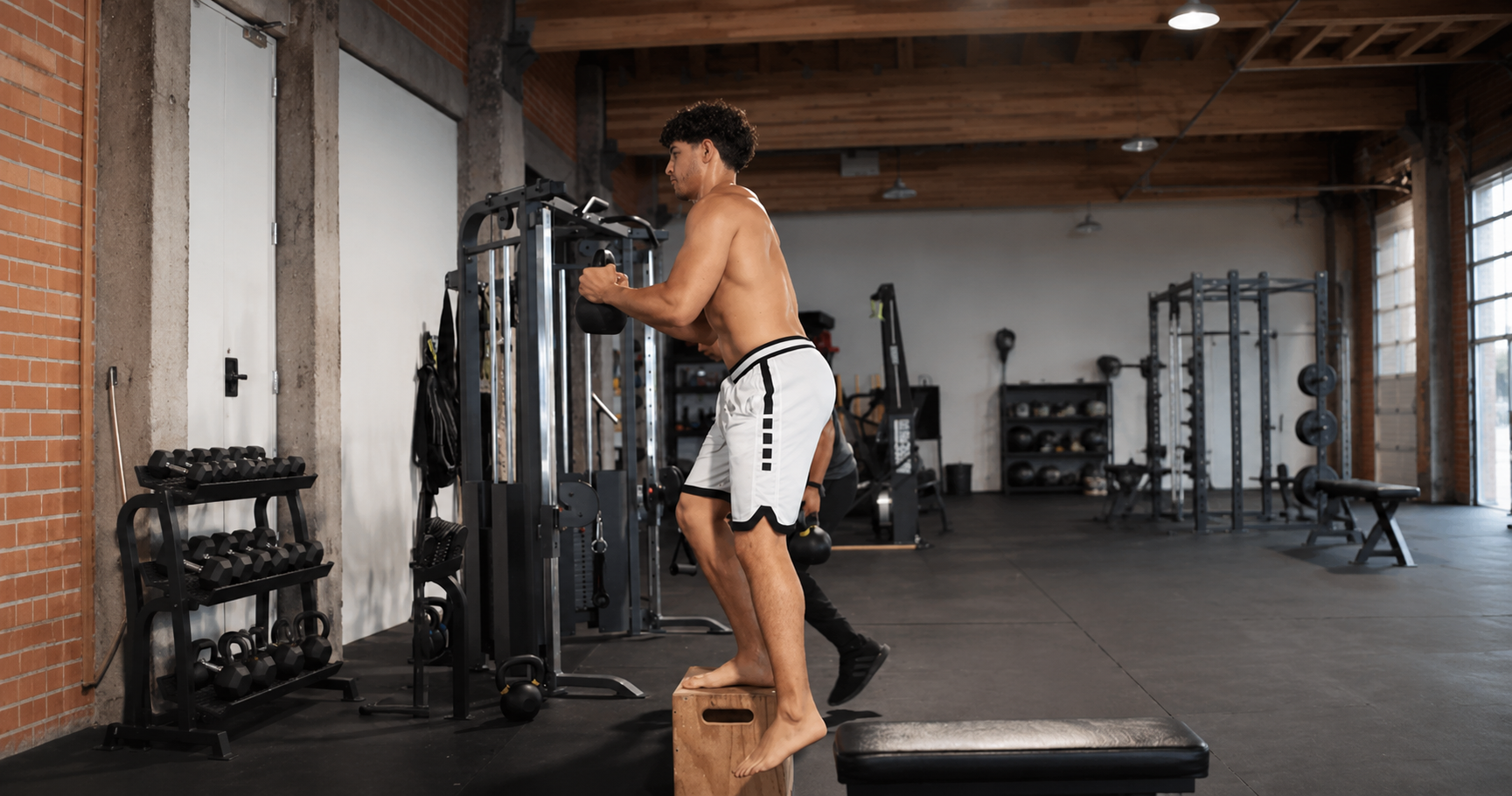
When most people picture physical therapy, they imagine a treatment table.
They picture a physical therapist massaging a sore muscle, mobilizing a stiff joint, or placing needles into a painful area. For many people, that’s what physical therapy has always looked like. In fact, one of the biggest concerns we hear from new patients considering online rehabilitation is, “How can I get better if no one is there to work on my knee?”
It’s an understandable question.
For years, we’ve been taught that recovery happens because of what a healthcare provider does to us. If our back hurts, someone should adjust it. If our shoulder is painful, someone should loosen it. If our knee is sore, someone should treat it with hands-on techniques.
While these treatments can absolutely have a place in rehabilitation, they aren’t what determines whether you’ll make a full recovery.
Great rehabilitation isn’t defined by how much hands-on treatment you receive.
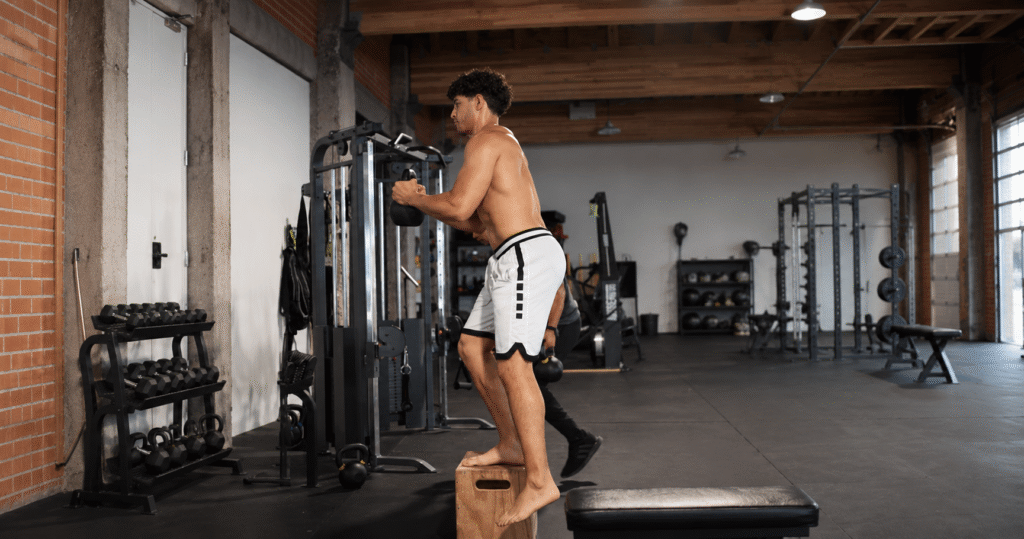
It’s defined by whether your body becomes stronger, more resilient, and better prepared for the demands of your daily life or sport.
That’s why modern rehabilitation has shifted its focus away from passive care alone and toward education, progressive exercise, and coaching. These are the factors that create lasting physical change and help people recover with confidence.
Why This Misconception Exists
The idea that physical therapy requires hands-on treatment isn’t surprising.
After all, when you leave an appointment feeling less pain, it’s easy to believe that the treatment itself fixed the problem.
But pain relief and recovery aren’t always the same thing.
Many hands-on techniques such as manual therapy, massage, or dry needling can temporarily reduce pain, improve mobility, or make movement feel easier. For the right patient at the right time, these interventions can be valuable tools that support the rehabilitation process.
The key word is support.
They create an opportunity for better movement.
They don’t replace the work that actually rebuilds your body.
Think about someone recovering from a knee injury.
If manual therapy helps them bend their knee more comfortably, that’s a positive outcome. But unless that improvement is followed by exercises that restore strength, improve balance, and gradually increase the knee’s ability to tolerate load, the long-term benefit is often limited.
The treatment may change how you feel today.
Exercise changes what your body is capable of tomorrow.
Recovery Doesn’t Happen During Your Appointment
Let’s put things into perspective.
If you attend physical therapy once a week for an hour, that’s just 60 minutes out of an entire week.
There are more than 10,000 minutes between one appointment and the next.
Those are the minutes that determine your outcome.
Your muscles don’t become stronger because you spent an hour in a clinic.
They become stronger because you consistently challenged them throughout the week.
Your balance improves because you practiced it.
Your confidence returns because you repeatedly performed movements that once felt difficult.
Your tendon becomes more resilient because it gradually adapted to progressive loading over time.
In other words, your recovery is built between appointments.
This is why the best rehabilitation programs don’t simply focus on what happens during a session. They focus on giving patients the knowledge, structure, and confidence to continue making progress long after the appointment ends.
Whether you’re recovering from knee pain, shoulder pain, low back pain, or returning to sport after an injury, consistency outside the clinic is what drives meaningful change.
Exercise Is the Treatment
One of the biggest shifts in modern rehabilitation has been recognizing that exercise isn’t just something patients do after treatment.
For many musculoskeletal conditions, exercise is the treatment.
Progressive exercise helps your body adapt in ways that passive treatment simply cannot.
It strengthens muscles.
It improves joint stability.
It restores mobility.
It rebuilds confidence.
It increases the capacity of tendons, ligaments, and other tissues to handle everyday activities.
Research across a wide range of musculoskeletal conditions consistently supports exercise therapy as one of the most effective interventions for reducing pain and improving function over the long term.
That doesn’t mean hands-on treatment has no value.
Manual therapy can help reduce discomfort and make movement feel easier. It may help someone perform exercises with greater confidence or improve mobility enough to begin an effective rehabilitation program.
But lasting improvements occur because of what happens after that treatment.
Without progressive exercise, the body has little reason to adapt.
Feeling Better Doesn’t Mean You’re Ready
One of the most common mistakes people make is assuming that less pain means they’re fully recovered.
Pain is an important measure of progress, but it shouldn’t be the only one.
Imagine a basketball player who no longer has knee pain walking around the house.
That’s encouraging.
But can they jump repeatedly without symptoms?
Can they sprint at full speed?
Can they land safely after a rebound?
Can they cut, pivot, and change direction without hesitation?
If the answer is no, then recovery isn’t complete.
The same principle applies to everyday life.
A parent recovering from back pain may feel comfortable sitting at work again, but still struggle lifting their child.
Someone recovering from shoulder pain may be able to reach overhead, but still lack the strength to return to the gym.
Recovery isn’t just about reducing symptoms.
It’s about restoring the physical capacity to do the things that matter most to you.
That’s why rehabilitation should focus on function, not just pain.
Pain relief helps you feel better.
Function helps you stay better.
Great Rehabilitation Is Built on Progression
Another common misconception is that once you’ve been given exercises, the hard part is over.
In reality, the effectiveness of rehabilitation depends on how those exercises evolve over time.
Your body adapts remarkably well to challenge.
If you continue performing the same exercises at the same intensity week after week, eventually your progress slows because your body no longer has a reason to change.
Effective rehabilitation isn’t static.
As your strength improves, your exercises should become more challenging.
As your confidence grows, your movement should become more dynamic.
As your symptoms improve, your program should begin preparing you for the activities you ultimately want to return to.
That’s what progression looks like.
And that’s what transforms rehabilitation from simply managing pain into rebuilding performance.
Why Coaching Is More Important Than Treatment Alone
One of the biggest differences between average rehabilitation and great rehabilitation isn’t the type of treatment being provided.
It’s the quality of the coaching.
Think about the best coach you’ve ever had.
Whether it was a sports coach, a teacher, or a mentor, they didn’t simply tell you what to do once and expect you to figure everything out on your own.
They taught you.
They encouraged you.
They corrected mistakes.
They challenged you when you were ready.
They adjusted the plan when something wasn’t working.
Great physical therapy works the same way.
A physical therapist’s job isn’t simply to provide treatment. It’s to guide you through every stage of recovery by helping you understand your injury, progress your exercises at the right time, answer your questions, and give you the confidence to keep moving forward.
This is especially important because recovery is rarely a straight line.
Some weeks you’ll feel great.
Other weeks you may feel sore, frustrated, or unsure whether you’re making progress.
Having someone there to help you navigate those moments often makes the difference between giving up and reaching your goals.
That’s what coaching provides.
Why Many People Don’t Reach Their Goals
When rehabilitation falls short, it’s easy to assume the problem was a lack of treatment.
In reality, that’s rarely the reason.
Most people don’t struggle because they didn’t receive enough massage or manual therapy.
They struggle because they stop exercising once the pain improves.
They perform the same exercises for months without progressing them.
They return to activity too quickly.
They lose consistency when life gets busy.
Or they simply don’t have anyone helping them adjust their program as they improve.
Recovery isn’t about finding one perfect exercise or one perfect treatment.
It’s about consistently doing the right things over time.
That consistency is much easier to maintain when you have someone providing guidance, accountability, and encouragement along the way.
Your Body Doesn’t Know Where You’re Exercising
One of the biggest concerns people have about online rehabilitation is whether it can really be as effective as in person care.
The answer often surprises them.
Your body doesn’t know whether you’re exercising inside a physical therapy clinic, at home, or in a gym.
Your muscles respond to resistance.
Your tendons respond to progressive loading.
Your nervous system responds to repetition and practice.
None of these systems depend on the location where you perform your exercises.
What matters is having the right program, progressing it appropriately, and staying consistent.
That’s why online rehabilitation can be so effective when it’s built around individualized care instead of generic exercise programs.
Recovery isn’t determined by where you exercise.
It’s determined by how you exercise.
How athELITE Delivers Great Rehabilitation Online
At athELITE, we didn’t build our online rehabilitation model because we wanted to replace great physical therapy.
We built it around the principles that make great physical therapy successful.
Every patient begins with a comprehensive assessment so we can understand not only your injury, but also your goals, lifestyle, activity level, previous medical history, and current level of function. Rehabilitation should never be based on a one size fits all template. It should be built around the individual.
From there, we create a personalized rehabilitation plan that evolves as you recover.
Each week, you’ll have a scheduled check in call with your physical therapist to discuss your progress, ask questions, and review how your body is responding. These conversations allow us to make adjustments whenever necessary, ensuring your rehabilitation continues moving in the right direction.
As your strength, mobility, and confidence improve, so does your program.
Your exercises are progressed when you’re ready.
Modified if needed.
Advanced to match the physical demands of your daily life, work, or sport.
We also believe accountability is one of the most overlooked parts of rehabilitation.
Knowing what to do is important.
Actually doing it consistently is what produces results.
That’s why we stay connected throughout your recovery, helping you remain committed, answer questions as they arise, and provide the support needed to keep making progress.
For athletes and active individuals, we also incorporate performance based rehabilitation and objective testing to ensure you’re not simply free from pain, but physically prepared to return to training and competition with confidence.
The Research Supports an Active Approach
Modern rehabilitation continues to move toward patient education, active participation, and progressive exercise because that’s where the evidence points.
Research has consistently shown that exercise therapy is one of the most effective treatments for many musculoskeletal conditions, improving both pain and long term function.
Research also highlights the importance of the therapeutic alliance, the relationship between a patient and their physical therapist. When patients feel supported, understand their rehabilitation plan, and actively participate in their recovery, they’re more likely to remain consistent and achieve better outcomes.
This reinforces an important point.
Successful rehabilitation isn’t built around dependence on treatment.
Final Thoughts
Hands on treatment has an important role in physical therapy, and for many patients it can help reduce pain, improve movement, and make exercise more comfortable.
But great rehabilitation isn’t defined by how much hands on treatment you receive.
It’s defined by the progress you make.
The strength you build.
The confidence you regain.
And your ability to return to the activities that matter most without constantly relying on treatment.
At athELITE, we believe rehabilitation should empower you, not create dependence. That’s why our approach is built around individualized programming, progressive exercise, education, accountability, and ongoing coaching from a licensed physical therapist.
Because the goal isn’t simply to help you feel better for today.
It’s to help you move better for life.
If you’re looking for a rehabilitation program that focuses on long term results instead of temporary relief, we’re here to guide you every step of the way.