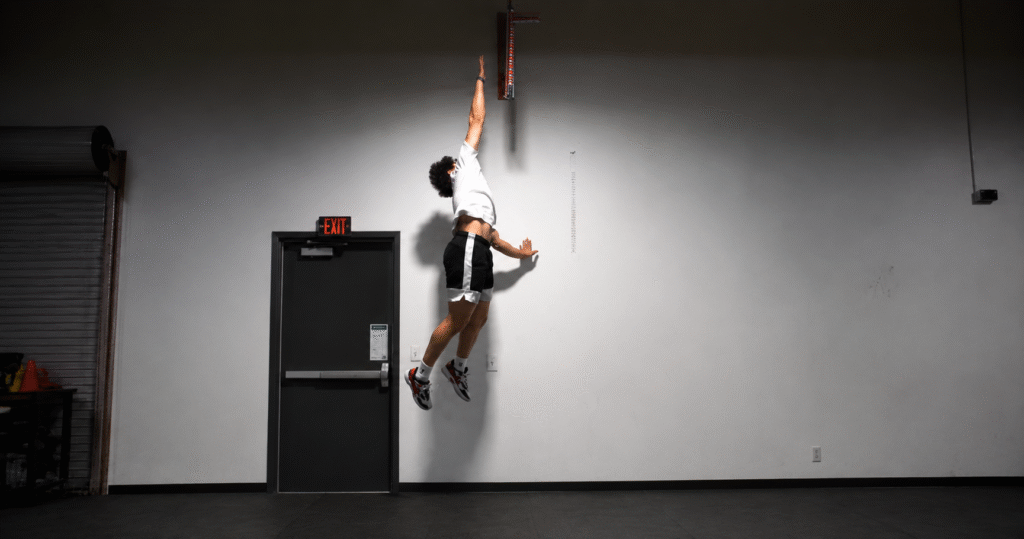
Why Rehab Should Be Progressive, Not Random
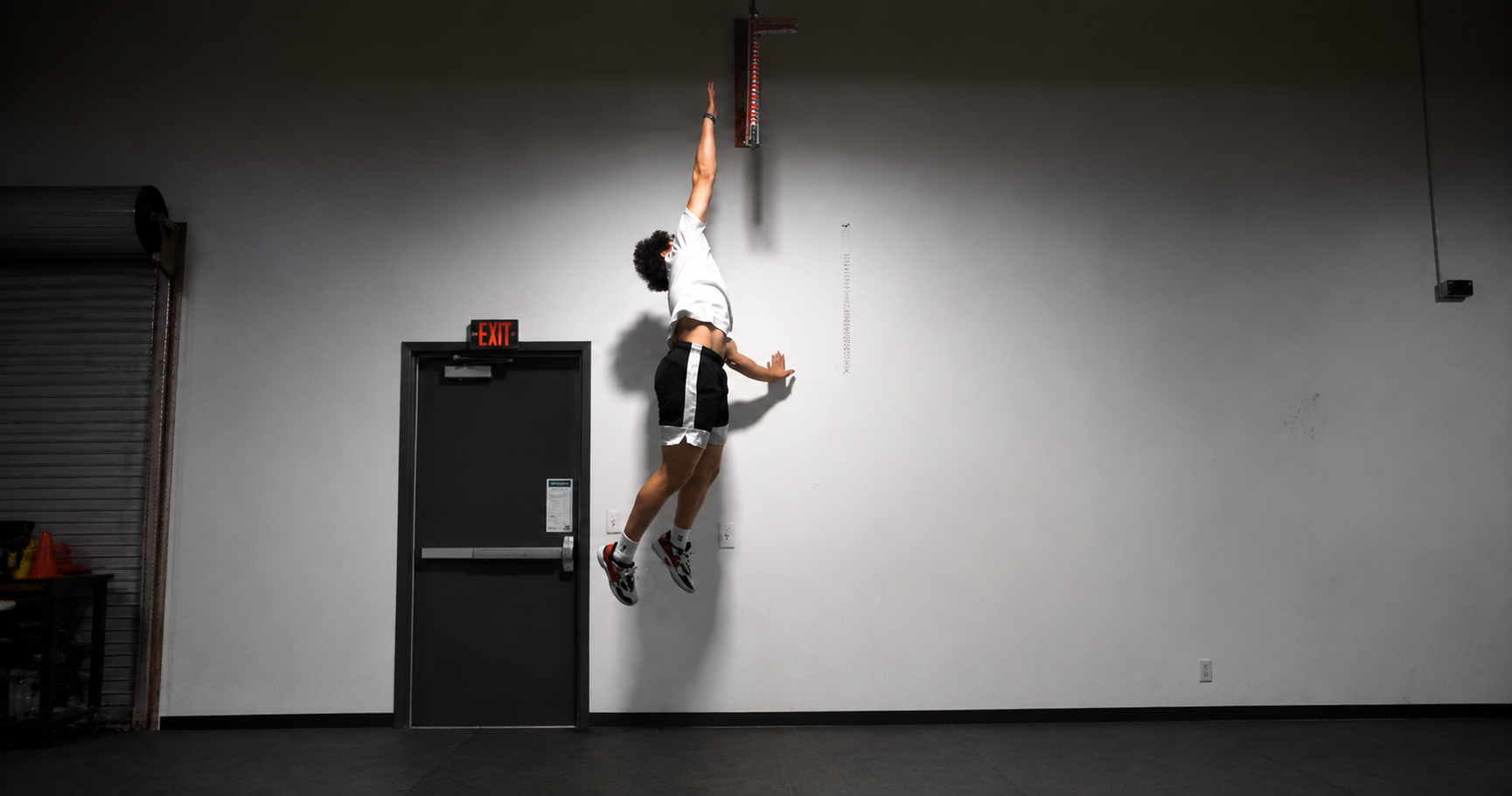
Every athlete wants to know the fastest way back to the court.
So they search for the best ACL exercises, the best jumper’s knee workout, or the best stretches for knee pain. Within minutes, they’re overwhelmed by hundreds of videos and rehabilitation routines that all promise results.
The problem isn’t that these exercises are wrong.
The problem is that they’re random.
Great rehabilitation isn’t about collecting as many exercises as possible. It’s about following a progressive plan that matches your body’s current capacity and gradually prepares you for the demands of basketball.
At athELITE, we believe the question isn’t “What’s the best exercise?”
It’s “What’s the right exercise for this stage of recovery?”
That’s what separates lasting results from temporary progress.
Why Random Rehab Often Fails
One of the biggest mistakes athletes make is treating rehabilitation like a workout playlist.
They perform exercises they found on social media. They repeat the same routine every day. They add new movements simply because they look challenging.
Eventually, progress slows.
Their knee still feels weak during single-leg jumps. They hesitate when cutting. Pain returns after practice, and they wonder why rehabilitation “stopped working.”
The truth is that your body adapts quickly. An exercise that is effective during the first two weeks of recovery may no longer challenge your muscles or tendons several weeks later.
Rehabilitation shouldn’t be random because your body isn’t random.
It responds to progressive loading—gradually increasing the challenge as your strength, control, and confidence improve.
Every Phase of Rehab Has a Purpose
The best rehabilitation programs aren’t built around exercises. They’re built around goals.
Here’s how that progression typically looks:
| Phase | Primary Goal |
| Early Recovery | Reduce pain, restore mobility, and rebuild confidence. |
| Strength Development | Build quadriceps, hamstring, glute, and calf strength. |
| Movement Control | Improve balance, single-leg stability, and knee control. |
| Performance | Develop power, jumping, landing, and deceleration. |
| Return to Sport | Prepare for cutting, reacting, and competing with confidence. |
Notice something important: the exercises change because the objective changes.
An athlete shouldn’t be performing advanced plyometrics during week one, just as they shouldn’t still be doing only basic quad sets three months into rehabilitation.
Progression gives every exercise a purpose.
Strength Before Speed
Basketball is explosive.
Players sprint, jump, stop, and change direction in fractions of a second. It’s tempting to rush into agility drills because they feel more “basketball specific.”
But explosive movement is built on a foundation of strength.
Before your knee can tolerate repeated jumping or aggressive cutting, it needs the ability to produce and absorb force effectively. That’s why progressive strength training is one of the most important predictors of long-term performance and resilience.
Strong quadriceps help control knee loading.
Strong glutes improve lower-body stability.
Strong hamstrings contribute to force production and deceleration.
Once those qualities improve, rehabilitation can safely progress toward faster and more dynamic movements.
Skipping this foundation doesn’t save time—it often delays recovery.
Your Knee Has to Learn How to Handle Basketball
Basketball doesn’t happen in a straight line.
You rarely jump and land perfectly balanced with both feet. Most movements happen on one leg, under fatigue, while reacting to another player.
That’s why rehabilitation eventually needs to train:
- Single-leg control
- Landing mechanics
- Deceleration
- Lateral movement
- Change of direction
- Reactive movement
- Basketball-specific conditioning
These skills shouldn’t appear overnight.
They should be introduced gradually as your body demonstrates it’s ready for the next challenge.
Research on basketball injury prevention supports this approach, showing that multicomponent programs combining strength, stabilization, mobility, agility, and neuromuscular training can improve movement quality and reduce injury risk in basketball athletes.
Progression Isn’t Just Adding Weight
Many people think progression simply means lifting heavier.
Sometimes it does.
But progression can also mean improving how you move.
Examples include:
- Increasing range of motion before increasing resistance
- Moving from double-leg to single-leg exercises
- Improving balance before adding speed
- Mastering landing mechanics before introducing cutting drills
- Building endurance before returning to full practices
The goal isn’t to make rehabilitation harder.
It’s to make it more appropriate for your current stage of recovery.
That’s a huge difference.
How athELITE Builds Progressive Rehabilitation
At athELITE, we don’t believe rehabilitation should feel repetitive or generic.
Every patient begins with a comprehensive assessment so we can understand your symptoms, movement quality, strength, goals, and the specific demands of your sport. Whether you’re recovering from jumper’s knee, ACL reconstruction, or persistent knee pain, your program is built around you—not a template.
Recovery doesn’t stop after the first evaluation.
Every week, you’ll have a scheduled check-in call with your physical therapist to review your progress, discuss how your knee is responding, and adjust your rehabilitation plan whenever necessary. As your body adapts, your exercises evolve alongside you.
We also prioritize accountability because consistency is what creates results. Knowing the right exercises is important, but completing them consistently and progressing them at the right time is what helps athletes return stronger.
For athletes preparing to return to basketball, we also incorporate objective performance testing to evaluate strength, movement quality, and readiness rather than relying on time alone.
Thoughts
Rehabilitation shouldn’t feel like guessing.
It shouldn’t be a random collection of exercises copied from social media or repeated long after they’ve stopped challenging your body.
Every phase should prepare you for the next. Every exercise should serve a purpose. And every progression should move you closer to the activities you love—whether that’s returning to basketball, recovering from ACL surgery, or overcoming persistent knee pain.
At athELITE, we believe lasting recovery is built through personalized programming, progressive loading, expert coaching, and consistent accountability. Because the goal isn’t simply to reduce pain.
It’s to build a stronger, more resilient body that’s prepared for performance.